Horizon & Hue · Locale-Led Colour Decorator · London E17

Every ship fixed on the horizon.

For three hundred years, what those ships brought back settled into the streets, parks, and walls of East London. The view outside your window is the result. The room is the response.

Book a free First Look The story behind the name
Scroll
Decor designed to ground the body and lift the spirit
The founding narrative

The horizon.
The hue.

"The Horizon was always there. The Hue was always here. Every room has a Locale. Every Locale has a colour."

In the 18th century London operated one of the largest maritime trading fleets the world had ever seen. Those ships left from the Thames and returned to the Thames — and what they brought back changed the colour of everything. Indigo from Bengal. Turmeric and saffron from Gujarat. Madder root from Persia. Cochineal from the Americas.

These were not decorative imports. They were the raw materials of colour — the pigments that dyers, painters, weavers, and decorators had built their traditions around for centuries. They arrived in London by the shipload, moved along the canal network into the city's warehouses, and settled into the communities that followed.

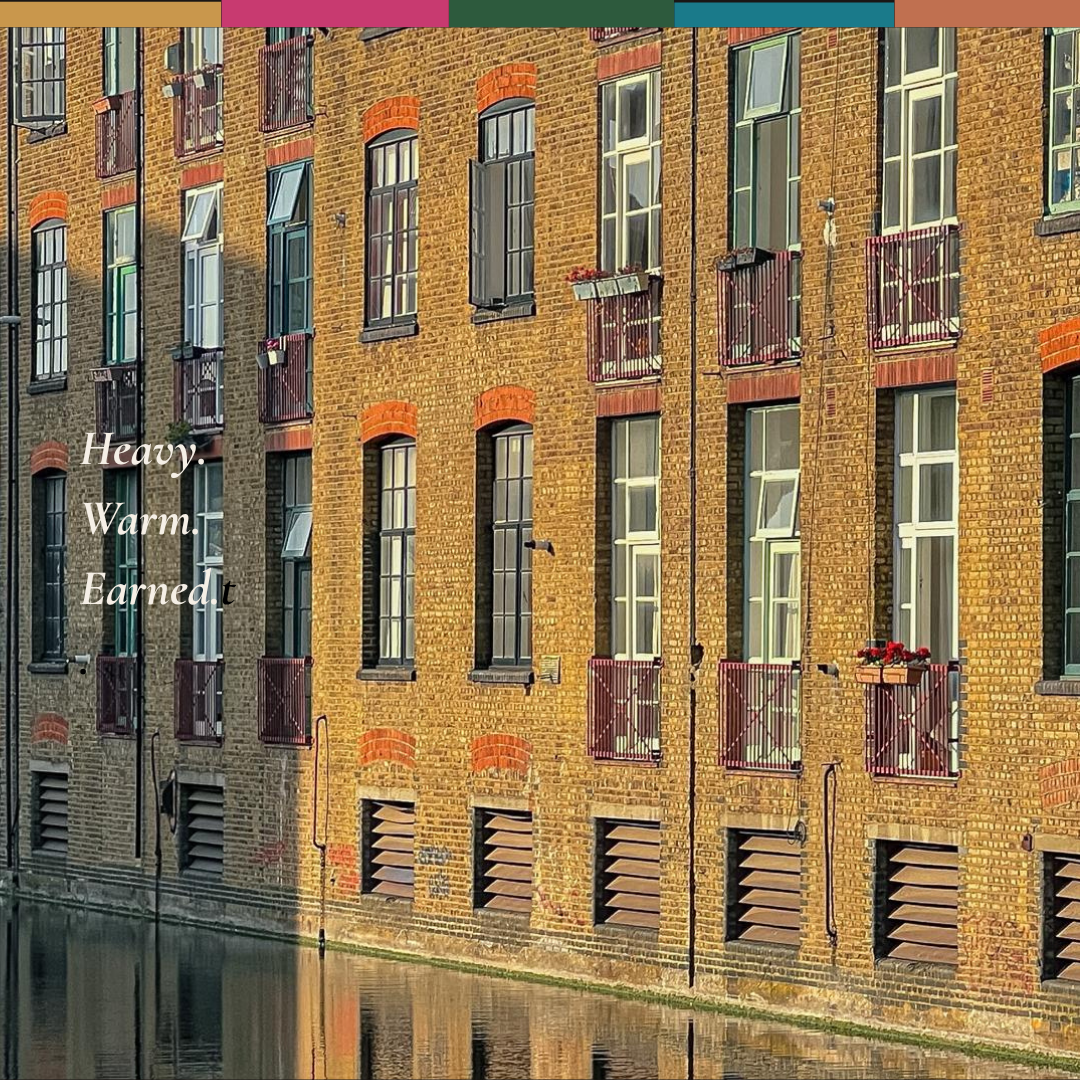
The canals that carried those goods still run through Hackney Wick, Limehouse, and Bow. The warehouse brick that lined their banks is still standing, its iron oxide red unchanged since the 18th century. Red-Earth Thread is not a design choice in these streets. It is the original building material. It arrived on a ship.

William Morris was born in Walthamstow in 1834. He sourced his indigo from the Indian subcontinent and drew his patterns from Persian carpet traditions and the Chahar Bagh — the ancient four-part garden of Persia, divided by four water channels flowing from a central pavilion. That geometry became the Victorian parks these homes face today.

The streets of London are the accumulated result of all of this. The colour is already there. It exists on the streets, in the parks, along the canals, in the brickwork of the old industrial buildings. Horizon & Hue reads it — through the view outside the window, or the vibe of the place the room belongs to — and brings it inside.

This is not cultural appropriation. It is cultural continuity. The colours were always here. The rooms just hadn't caught up yet.
The Locale — six qualifying views

Every Horizon & Hue scheme begins with The Locale.

The view outside the window — or the vibe of the place the room belongs to. Its structure. Its light. Its colour. Its character. No two Locale Briefs are the same. Every room has a Locale. Every Locale has a colour.

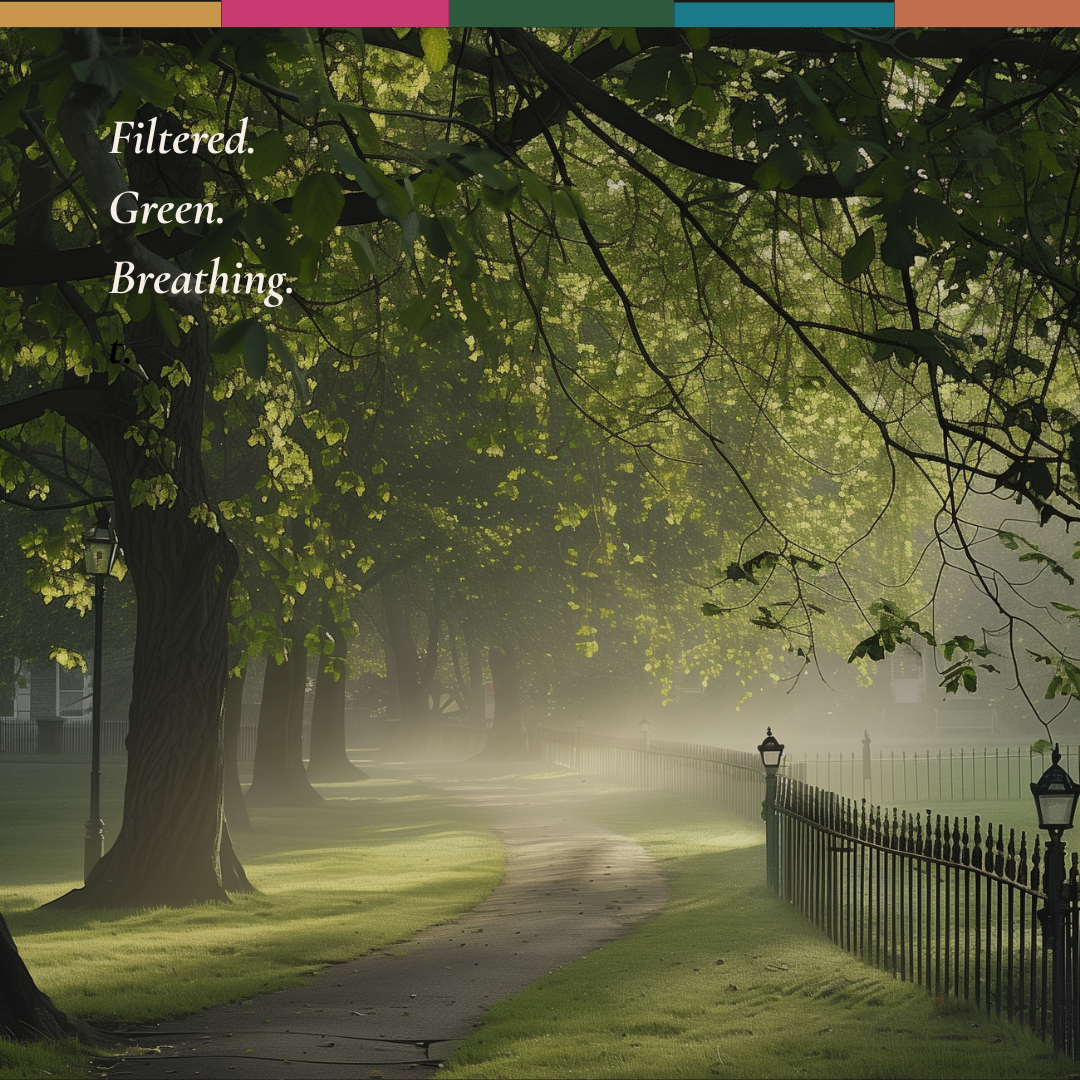
Parks & Gardens
Green Thread leads

Lloyd Park. Victoria Park. Clissold Park. The Persian Chahar Bagh — four paths meeting at a centre — is the structural origin of every Victorian park these streets face. The geometry was never accidental.

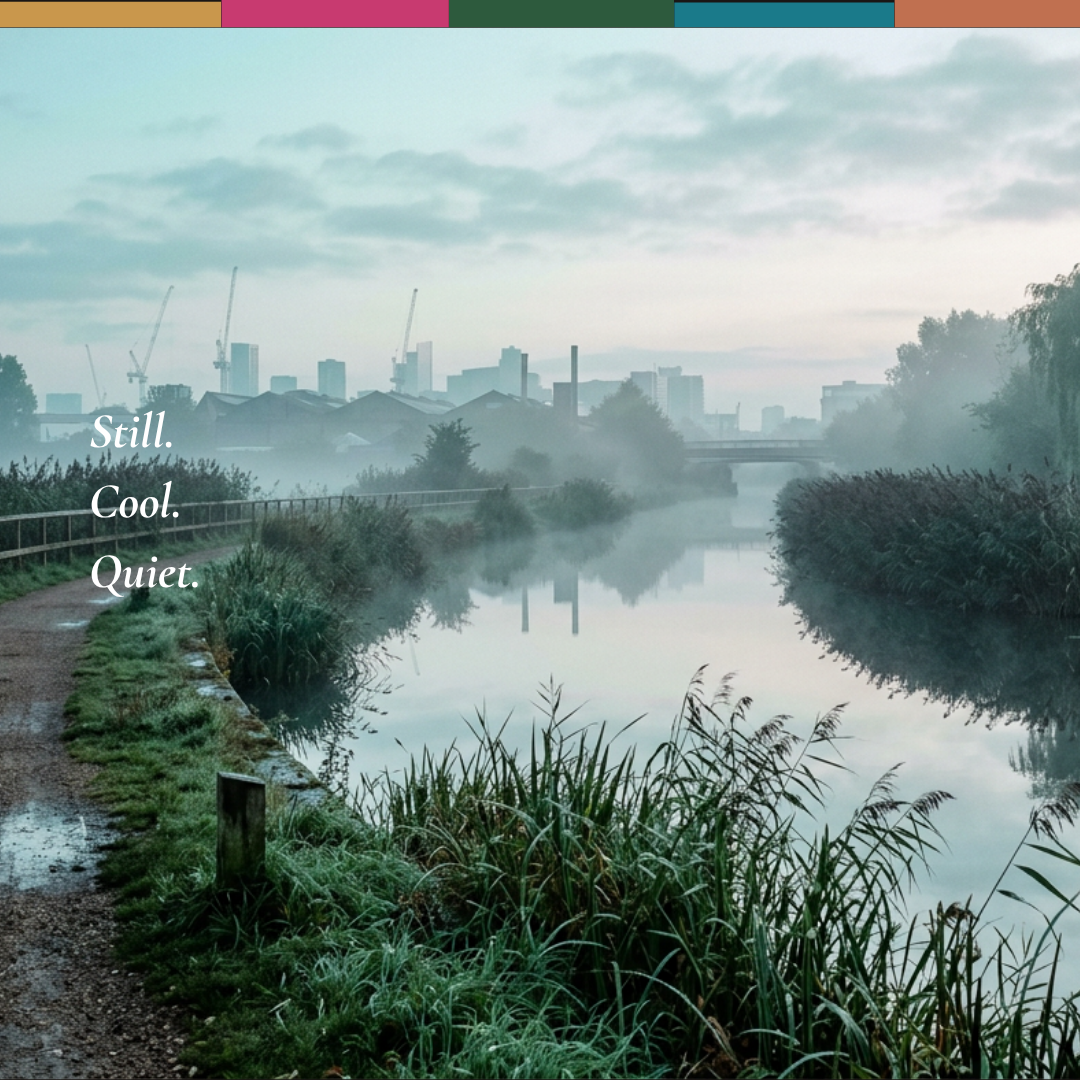
Water & Wetlands
Teal Thread leads

Walthamstow Wetlands. Lee Navigation. Woodberry Wetlands. Water gives a room a horizontal brief — sky above, reflection below, a ceiling that must answer both.

Cemeteries & Woodland
Deep Green leads

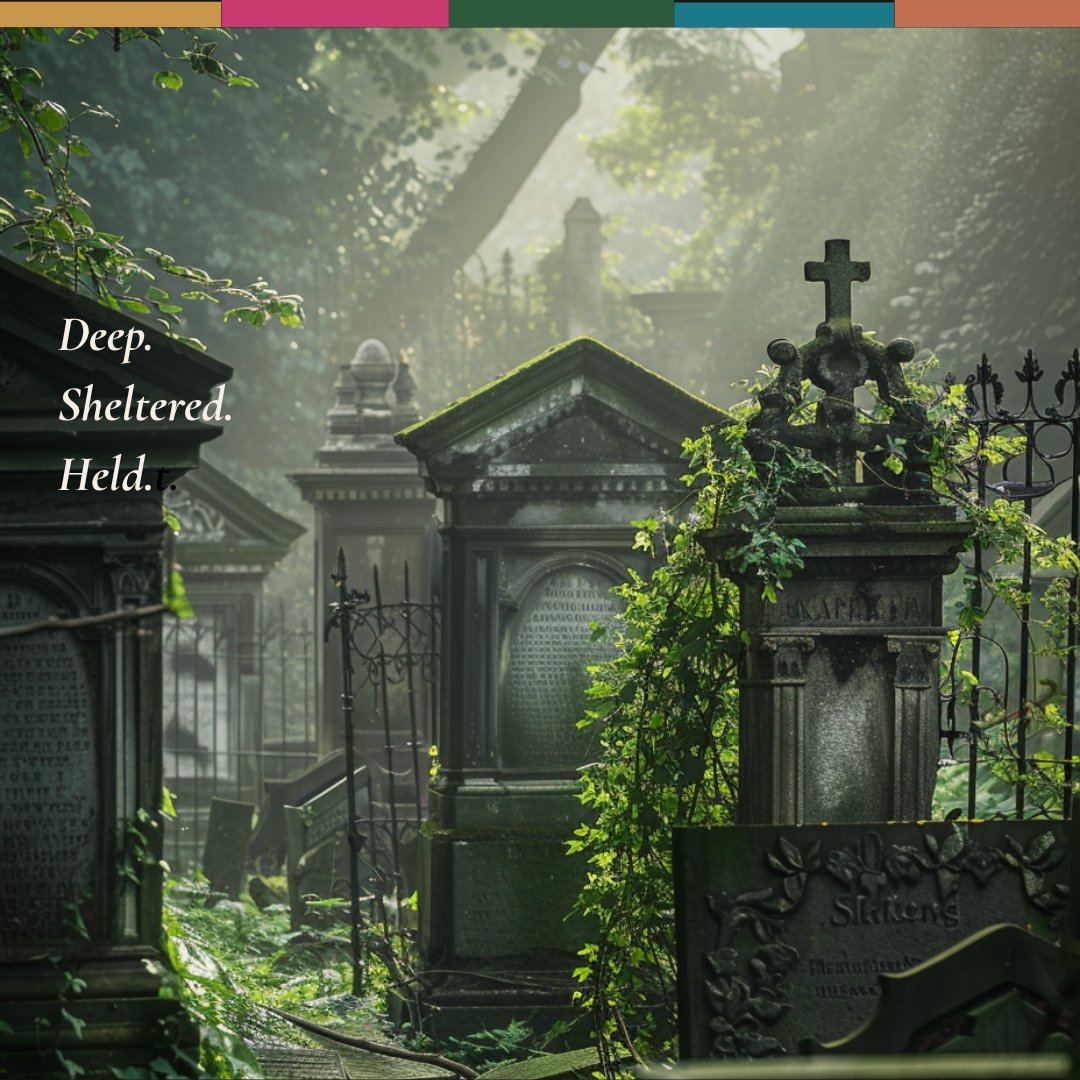
Abney Park. Highgate. Tower Hamlets Cemetery Park. Light filtered through mature tree canopy arrives in a room already coloured. The quietest brief on the map.

Garden Squares
All five threads

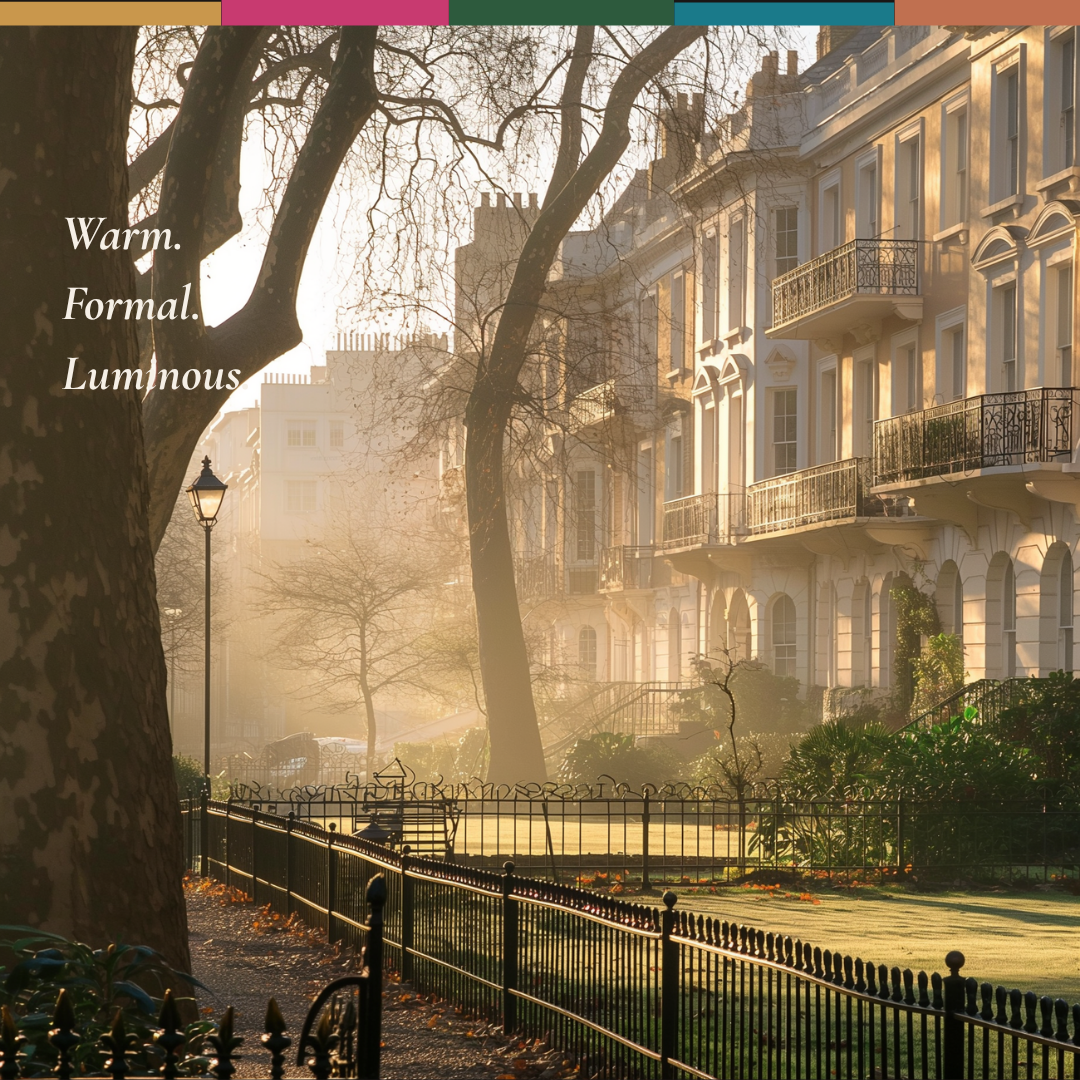
Canonbury Square. De Beauvoir Square. A private garden square is the most literal domestic Chahar Bagh in London — four-sided enclosure, planted centre, all threads present.

Streets & Market Culture
The vibe of the locale

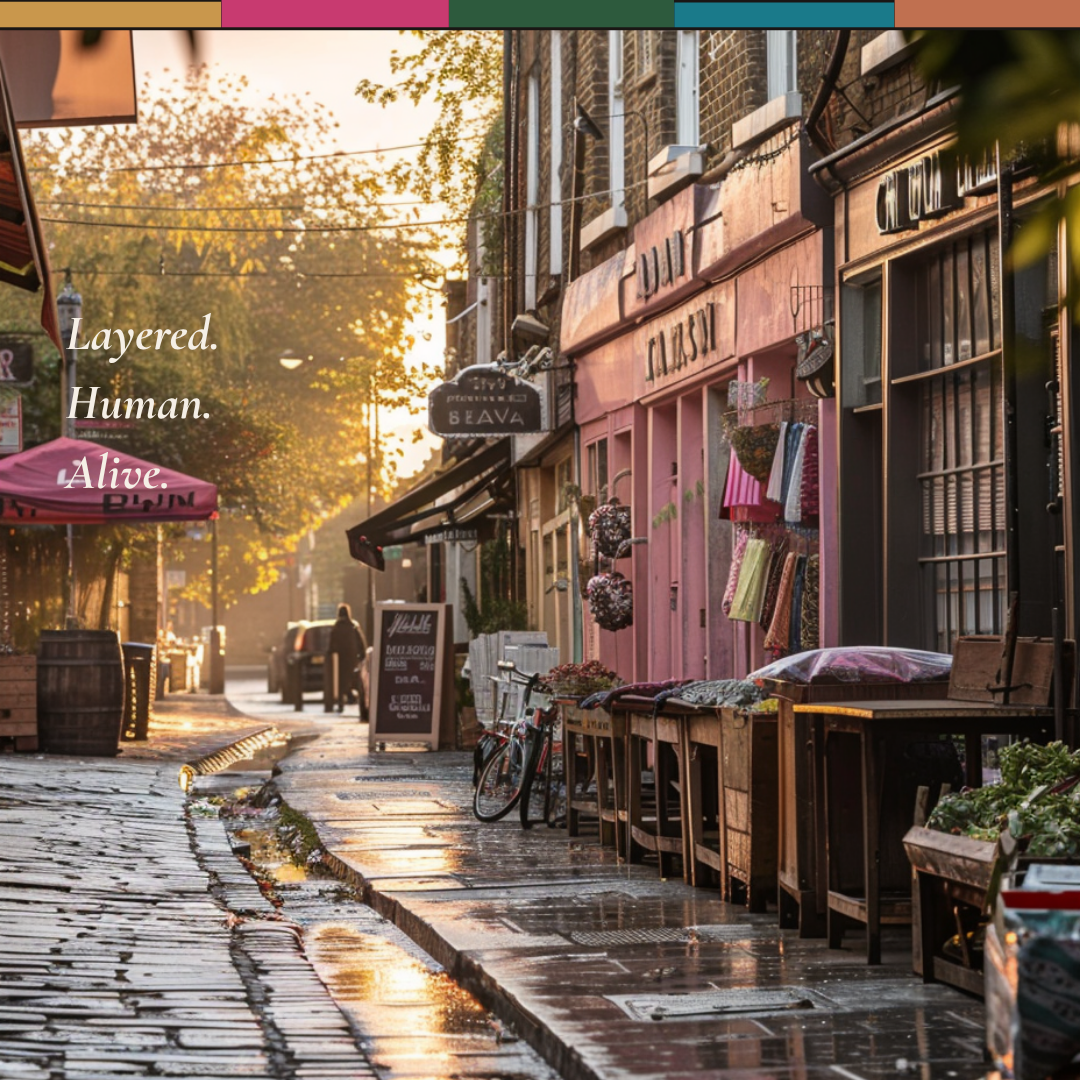
Ridley Road. Green Street. Walthamstow Market. London's street markets carry the world's palette. These colours were never imported as decoration. They arrived as daily life.

Maritime & Industrial Heritage
Red-Earth Thread leads

Hackney Wick. Limehouse. Bow. The canal network built to carry 18th-century cargo still runs through East London. The warehouse brick is unchanged. Red-Earth Thread is the original building material.

How it works · six steps

The consultation sequence.

These rooms are long rectangles — a sequence the client walks through. The scheme is a journey, not a series of isolated decisions made room by room.

01
The Locale Brief

Establish what the outside contains — view or vibe — before naming any thread. The view from the window or the character of the place is the brief. Everything that follows serves it.

02
Read the property

Identify the architectural period and surface condition. Georgian carries its own canvas. Victorian needs a canvas decision. 1930s often has the strongest natural thread evidence in its tiles and floors.

03
Find the primary thread

Identify the dominant thread that answers the Locale most directly. This becomes the primary at the dominant proportion in each room. One primary thread per room. Never equal-weight two threads.

04
Establish the connecting thread

The accent that travels between rooms — appearing at 10% in one space, becoming the primary in the next. Walk the sequence before specifying it. The surprises between rooms are part of the scheme.

05
Establish the depth

Whisper, Dialogue, or Declaration — room by room. An entrance hall might open at Dialogue. A park-facing drawing room might declare. A bedroom retreats to Whisper. The sequence is the scheme.

06
The Chahar Bagh connection

Read the property's full relationship to its outside: back garden, front view, upper floors. The back garden is the enclosing wall. The front view is the channel. The upper rooms face the sky.

How to begin

Three ways in.

Every project begins with a free 30-minute video call — a conversation about your home, its view, and the vibe of the place it belongs to.

Free
30 minutes · Google Meet video call
The First Look

You walk me through your home using your phone or laptop camera. I give an initial impression of what The Locale contains — view or vibe — and what the room could become. No preparation needed. I send you a Google Meet link once we've agreed a time.

Request your First Look

Akram responds within 24 hours with a Google Meet link.

Thank you — Akram will be in touch within 24 hours with your Google Meet link.

£100
Site visit · verbal direction
The Conversation

Surface assessment and verbal Locale colour direction. I read the view, diagnose the surfaces, and give you a clear verbal colour direction for the whole property. Fee credited against decoration if booked within 60 days.

Credited against decoration · 60-day window

Decoration from £600 per room · Whole home from £1,800 · Suite RA01, 195–197 Wood Street, London E17 3NU

Akram Khan · Horizon & Hue
About

Akram Khan.

Locale-Led Colour Decorator. Based in Walthamstow E17. Dulux Select accredited since 2005, with over twenty years of specialist finishing decoration across the UK and internationally.

The Locale methodology grew from a simple observation: the colour is already there — in the parks, the markets, the canals, the brickwork of East London's streets. The room's job is to answer it. I find that connection and specify it, surface by surface, room by room.

Dulux Select Decorator · accredited since 2005
Specialist in period property finishing · Victorian and Edwardian
Natural and breathable finishes · lime plaster, clay paint, mineral silicate
View-led and vibe-led colour methodology · The Locale
East London based · E17, E9, E8, N16, N1, N6
Begin here

Book a free First Look.

30 minutes. Your home on screen. An initial impression of what The Locale contains.
No preparation needed.

WhatsApp Akram 020 3143 1725 hello@horizonandhue.co.uk

Suite RA01 · 195–197 Wood Street · London E17 3NU
horizonandhue.co.uk